Academy
Academy

ข่าวสารตลาด & มุมมองเชิงลึก

ก้าวนำตลาดด้วยมุมมองเชิงลึกจากผู้เชี่ยวชาญ ข่าวสาร และการวิเคราะห์ทางเทคนิค เพื่อเป็นแนวทางในการตัดสินใจซื้อขายของคุณ.

การเทรด TACO ตลาดที่ต้องดูตอนนี้ แนวโน้มน้ำมันดิบ Brent, ตำแหน่งทองคำ, ความเสี่ยง Nasdaq 100, แนวโน้ม USD/CNH, ผลตอบแทน 10 ปีของสหรัฐฯ, สัญญาณ USD/CAD, ความเสี่ยงทางการตลาดภูมิรัฐศาสตร์
CFDs
Geopolitical events
พอร์ตโฟลิโอของคุณเตรียมไว้หรือไม่6 ตลาดที่ต้องดูขณะที่ TACO เผชิญกับความกลัวของแรงกระแทกจากน้ำมัน

หัวเรื่องเกี่ยวกับอารยธรรม “ตายในคืนนี้” ถูกสร้างขึ้นเพื่อให้ครอบงำ แต่อาจสัญญาณที่บอกได้มากกว่านี้อาจเป็นความสงบที่อยู่ข้างใต้ เพราะตลาดเริ่มถือวงจรของการรุนแรงที่รุนแรงนี้ตามด้วยการลดลงอย่างกะทันหันเป็นรูปแบบ ไม่น่าแปลกใจ

ในวงกลมมาโคร รูปแบบนั้นมีป้ายกำกับทื่อ: TACO หรือ “Trump Always Chickens Out”วลีถูกโหลด แต่ตรรกะนั้นง่ายภัยคุกคามที่มีแรงกดดันสูงสุดเกิดขึ้น สินทรัพย์เสี่ยงจะคลายตัว จากนั้นผลลัพธ์ที่หยุดชั่วคราว ล่าช้า หรือผลลัพธ์ที่อ่อนกว่าจะปรากฏขึ้นเมื่อต้นทุนทางเศรษฐกิจเริ่มเข้มงวด

นั่นไม่ได้หมายความว่าความเสี่ยงมีขนาดเล็กอาจหมายความว่านักลงทุนได้คุ้นเคยกับสคริปต์ที่วาทศิลป์เกิดขึ้น ตลาดดูดซับแรงกระแทก และการยับยั้งจะปรากฏขึ้นก่อนที่สถานการณ์ที่เลวร้ายที่สุดจะตกลงมาอย่างเต็มที่

Developing situation | Strait of Hormuz | Section 122 Tariffs
Published April 2026
Brent Crude Above US$100
VIX 31
In focus 6 markets
Oil Positioning Decade-low longs
The Framework & Mechanism Is the market the red line?
+

This is where the TACO idea starts to matter. Traders are not just watching the rhetoric. They are watching when it starts to hit markets, inflation and the wider economy.

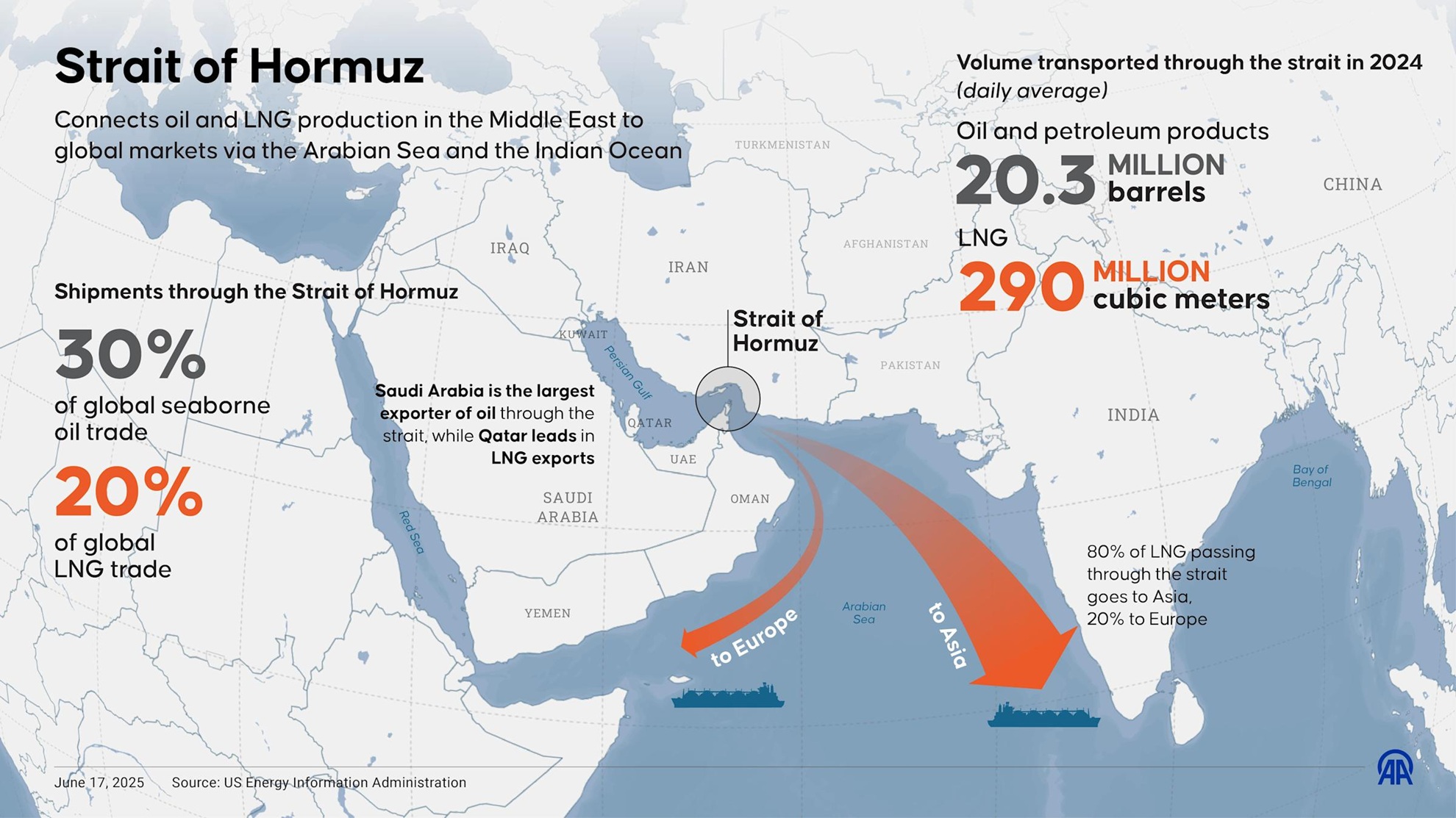
Oil is at the centre of that risk. If disruption around the Strait of Hormuz starts to threaten global energy flows, the story quickly becomes macro. Higher oil can lift inflation expectations, pressure central banks and tighten financial conditions.

That is why a pause can look less like diplomacy and more like pressure relief. The real red line may be the point where the economic damage becomes too obvious to ignore.

Short Squeezed

Positioning adds another layer. Oil still looks under-owned, with futures positioning near decade-long bearish extremes. If a fresh shock lands, short-covering could drive prices higher much faster than fundamentals alone would suggest.

That is the short-squeeze risk. In the Commitment of Traders (COT) report, recent data suggests oil long exposure is relatively low by historical standards.

Humanitarian Reality

Whatever may be promised in political messaging, any sustained conflict in Iran would carry a heavy cost in displacement, infrastructure damage and wider regional stress. A relief rally in markets does not change that.

Global Isolation

Even if pauses are used to steady domestic market sentiment, allies and multilateral institutions may view bluff-and-retreat tactics as a credibility problem that creates longer-term diplomatic friction.

Positioning gap indicator

Divergence analysis between positioning and risk environment

APRIL 2026

Bars show GO Markets’ internal estimate of the divergence between current futures positioning and levels seen in comparable historical shock environments.

Brent crude Extreme
Gold (XAU/USD) Very high
Nasdaq 100 High
USD/CNH High
US 10 yr yield Medium
USD/CAD Medium
Extreme decade scale positioning extreme
High significant divergence
Medium moderate divergence
Methodology note

The Positioning Gap Indicator is based on GO Markets’ internal analysis and is intended as a high-level, illustrative framework only. It uses a combination of market positioning data, historical comparisons and discretionary assumptions about how similar energy and trade shocks have affected markets in the past. The ‘Extreme’, ‘Very High’, ‘High’ and ‘Medium’ labels are relative internal classifications, not objective market standards, and should not be relied on as predictions, forecasts or a guarantee of future outcomes.

The Six Markets

The six markets that matter most

Each of these six markets is exposed to the current situation through a different mechanism. Understanding the mechanism, not just the price, matters. It helps explain whether a move is a headline reaction or the start of something broader. Tap any card to expand the full analysis.

01
BRENT
Brent crude oil
ENERGY DIRECT CHANNEL SQUEEZE RISK: EXTREME
+
The Clear Transmission Channel

Brent is the international benchmark for crude and the most direct transmission mechanism in this geopolitical thesis. Any disruption to physical flows, particularly through the Strait of Hormuz, forces an immediate tightening of global energy supply.

The Positioning Backdrop

Futures positioning currently sits at a ten year bearish extreme. Leveraged funds have cut long exposure heavily. In the event of a physical supply shock, this imbalance creates the potential for a violent short covering squeeze.

● Bull Case

Hormuz disruption extends beyond four weeks. Extended disruption could lift Brent sharply if supply flows are impaired for longer.

● Bear Case

Diplomatic intervention reopens the strait quickly. Strategic petroleum reserve (SPR) releases and increased spare capacity cap any price rally.

Strategic Marker

US$120: the point at which energy inflation becomes a direct Federal Reserve policy problem, rather than just a market narrative.

02
XAU/USD
Gold
SAFE HAVEN UNDER-OWNED SQUEEZE RISK: VERY HIGH
+
The Counter-Intuitive Setup

Despite a clear geopolitical risk profile, leveraged funds have been reducing bullish gold exposure. This leaves the market under-owned at the exact moment the fundamental case for safe haven assets is strengthening.

The Inflation Variable

The critical factor for Gold is whether energy-driven inflation limits the Fed's room to maneuver. If policy flexibility weakens, Gold could catch up quickly as a hedge against stagflation.

● Bull Case

Real yields fall as energy inflation outpaces rate hikes. Under-owned positioning amplifies the catch up move as institutional funds rebuild exposure.

● Bear Case

Geopolitical tensions ease rapidly. The Fed remains credibly focused on inflation, keeping real yields positive and supporting the USD over Gold.

Strategic Marker

One level to monitor is prior resistance, alongside any change in COT positioning.

03
US100/NAS100
Nasdaq 100
TECHNOLOGY DUAL PRESSURE RATE AND SUPPLY RISK
+
Why it is a complicated position

The Nasdaq faces immediate pressure from two fronts: Stickier energy-driven inflation forces rates higher for longer, compressing multiples, while trade tensions unsettle the supply chains beneath major tech names.

Why the 10 year yield matters here

When the 10 year Treasury yield holds above 4.5%, the future value of technology earnings must be discounted at a higher rate. AI linked earnings momentum must overpower this valuation headwind.

● Bull Case

Earnings season delivers proof of AI investment generating real revenue. Index components successfully insulate supply chains, and AI capex momentum overrides the macro headwind.

● Bear Case

Energy inflation keeps yields above 4.5%. Multiple compression in high valuation names triggers a broader index decline amid disappointments in AI monetization.

Strategic Marker

S&P 500 at 6,498: a widely watched Fibonacci cluster. A sustained move below this threshold highlights a historically challenging framework for growth equities.

04
USD/CNH
US dollar/offshore Chinese yuan
FX BEIJING READ POLICY PROXY
+
What it tells you

USD/CNH is the cleanest real time read on how Beijing is responding to tariff pressure. A sharp rise suggests China is allowing currency weakness to absorb the costs of trade friction.

Why it matters beyond China

A move in USD/CNH doesn't stay contained. It spills into Asian equities, commodity demand, and broader risk appetite. Deliberate depreciation signals a shift in the global trade environment.

● USD Bull / Yuan Bear

Beijing allows yuan weakness as a deliberate countermeasure. Capital outflows accelerate, and USD safe haven demand reinforces the move.

● Yuan Recovery

Trade negotiations begin and a face saving off ramp is found. PBOC intervention defends the yuan, and the dollar's safe haven premium fades.

Strategic Marker

7.30 on USD/CNH: a sustained move above this has historically been associated with broader risk off moves in Asian markets.

05
US10Y/TNOTE
US 10 year Treasury yield
RATES MACRO PLUMBING SHAPES EVERYTHING ELSE
+
Why it sits under everything

The 10 year yield shapes mortgage costs, corporate borrowing, and the valuation framework for risk assets globally. When it rises, borrowing becomes more expensive across the entire system.

The Independent Movement Risk

If oil forces the Fed to delay cuts, the 10 year yield could rise regardless of Fed communication. It can tighten financial conditions even before a formal policy shift occurs.

● Rates Fall Case

Oil shock proves transient. Fed maintains guidance and 10 year yields pull back toward 4.0%, relieving pressure on equities and providing support for bonds.

● Rates Rise Case

Sustained oil above US$100 pushes inflation higher. Fed pauses rate cut language and the 10 year yield breaks above 4.5%, compressing equity multiples.

Strategic Marker

4.5% on the 10 year yield: a sustained break above this while oil remains above US$100 is a historically challenging combination for equities.

06
USD/CAD
US dollar/offshore Canadian dollar
FX OIL-LINKED LEAD INDICATOR
+
The Double Exposure

USD/CAD is a lead indicator because Canada sits at the intersection of energy and trade. It benefits from higher oil revenue but is highly sensitive to US economic and trade conditions.

When the Forces Collide

When oil rises, the CAD often strengthens; when trade stress rises, it weakens. In the current environment, these forces are colliding rather than canceling each other out.

● CAD Strengthens

Oil sustained above US$100 boosts export revenue while trade tensions stay short of Canada specific tariffs. Bank of Canada holds rates steady.

● CAD Weakens

Safe haven USD demand outweighs the oil benefit. Bank of Canada cuts rates to offset trade headwinds.

Strategic Marker

1.42 on USD/CAD: a sustained move above this signals trade anxiety is dominating the oil benefit, often preceding broader risk off moves.

What could go wrong

Four reasons the market logic could fail

+

A coherent macro case is still only a case. Markets regularly ignore tidy narratives for longer than expected, or invalidate them quickly. Four failure paths stand out.

1

The situation de-escalates faster than the news cycle suggests

Geopolitical risk premia can build slowly and disappear quickly. Any credible sign of de-escalation, especially around shipping lanes or energy infrastructure, could reverse oil sharply and drain urgency from the rest of the thesis. This is precisely the scenario the TACO framework predicts.

2

Tariff posturing does not become tariff policy

The market may be reacting to opening positions rather than settled policy. If Washington and Beijing find a face-saving off-ramp, as they have in previous trade disputes, currency and equity moves that anticipated escalation could unwind just as fast as they built.

3

AI investment spending overrides the macro headwind

Technology capital expenditure has remained more resilient than expected for much of the past two years. If earnings season shows that AI infrastructure spending is still translating into real demand and returns, the growth narrative may reassert itself, particularly in the Nasdaq 100.

4

The squeeze never arrives: extended positioning holds for longer than expected

Stretched positioning does not automatically produce a violent reprice. Markets can stay under-owned for months if risk appetite remains weak and institutions are unwilling to rebuild exposure. The set-up can exist without the catalyst arriving in a way that forces the move.

Forward Calendar

What to watch and when

+

Three time horizons matter here. The first tests supply resilience. The second tests financial system health. The third tests whether any shift in market leadership is cyclical or structural.

Three horizon watchlist

Signals and catalysts across the next two months

Next Two Weeks

Chipmaker guidance and supply commentary

Major semiconductor earnings calls will offer an early read on whether supply bottlenecks are worsening and whether management teams are changing production assumptions. If supply commentary deteriorates, the inflation story gets another push and the case for higher for longer rates strengthens.

Next 30 Days

Bank earnings and loan demand

Major US banks will provide a useful check on whether capital spending related to AI infrastructure is still being financed. The most important signal may not be earnings per share. It may be commercial loan demand. If businesses are pulling back on borrowing, the growth cycle may be softening earlier than the market expects.

Next 60 Days

Enablers versus spenders

The more structural test is whether the market begins rewarding businesses that produce physical outputs: energy producers, hardware makers and defence contractors, while penalising software companies that still cannot prove a clear return on AI spending. A wider performance gap between those groups would suggest something deeper than a temporary rotation.

เส้นทางข้างหน้า

การบรรจบกันในปัจจุบันของความตึงเครียดทางการเมืองและการวางตำแหน่งสุดขั้วในอดีตได้สร้างสภาพแวดล้อม “ขดลวดสปริง” ที่เป็นเอกลักษณ์สำหรับตลาดโลกในขณะที่ ทาโก้ กรอบงานชี้ให้เห็นถึงรูปแบบของการเพิ่มขึ้นอย่างรวดเร็วตามด้วยการหยุดชั่วคราวเชิงกลยุทธ์ การทดสอบที่แท้จริงสำหรับผู้ค้าในช่วง 60 วันข้างหน้าคือการเปลี่ยนจากความผันผวนที่ขับเคลื่อนโดยหัวข้อสู่การหมุนเวียนของตลาดเชิงโครงสร้าง

ไม่ว่าช่องว่างการวางตำแหน่งจะปิดผ่านการลดการเพิ่มขึ้นอย่างอ่อนโยนหรือการบีบสั้นอย่างรุนแรง การมีกรอบปฏิกิริยาที่กำหนดไว้สามารถช่วยให้เทรดเดอร์นำทางเสียงรบกวนได้
Market Opportunity

Don't just watch the squeeze. Trade the framework.

As positioning gaps hit decade extremes, access advanced charting tools and real time execution on the six key markets defining this cycle.

Tight Spreads
Expert Analysis
Global Market Access

Trading CFDs and FX involves significant risk to your invested capital. Please ensure you fully understand the risks involved before trading.

GO Markets
April 8, 2026
US Earnings
AI
การป้องกัน การหยุดชะงัก และการเงินครั้งใหญ่: 3 ชื่อที่ควรค่าแก่การรับชมฤดูกาลนี้

นี่คือสิ่งที่: ฤดูกาลรายได้ของสหรัฐฯ ในเดือนเมษายนกำลังมาถึงตลาดที่ยังคงรู้สึกไม่ใช่เรื่องปกติดังที่ GO Markets อธิบายใน หนังสือเล่มรายได้ทั่วโลกของสหรัฐอเมริกา: คู่มือที่จำเป็นสำหรับผู้ค้าระยะเวลาการรายงานนี้กำลังลงมาหลังจากการเปลี่ยนแปลงที่แท้จริงในสิ่งที่ตลาดสนใจมันไม่ใช่แค่การไล่ตามการเติบโตด้วยค่าใช้จ่ายใด ๆ อีกต่อไปมันเกี่ยวกับสิ่งที่ตัวเลขพูดใต้พื้นผิว

และในปี 2026 สัญญาณเหล่านั้นกำลังชนกับฉากหลังที่มีแรงเสียดทานสูง:

  1. ความขัดแย้งทางภูมิศาสตร์ ความตึงเครียดอย่างต่อเนื่องในตะวันออกกลาง
  2. แรงกระแทกจ่ายน้ำมัน: น้ำมันดิบ Brent สูงกว่า 100 เหรียญสหรัฐ
  3. เฟด: ธนาคารกลางยังคงตกอยู่ในภาวะเงินเฟ้อที่เหนียวเหนียว

หมุนความทนทาน

ใช่ AI ยังคงเป็นเรื่องราวหลักของตลาด แต่ก็ยังคงเป็นเครื่องยนต์ที่ฉูดฉาดที่ได้รับความสนใจมากที่สุดแต่ภายใต้สิ่งนั้น มีการเคลื่อนไหวที่เงียบกว่าต่อบริษัทที่ดูถูกสร้างขึ้นเพื่อยึดมั่นได้ดีขึ้นเมื่อสภาพแย่ลง

เมื่ออัตราไม่แน่นอนและตลาดพลังงานอยู่ภายใต้แรงกดดัน ชื่ออย่าง JPMorgan Chase และผู้รับเหมาด้านการป้องกันรายใหญ่ก็เริ่มมีน้ำหนักมากขึ้นพวกเขาไม่ได้แทนที่การเล่าเรื่อง AI แต่พวกเขากำลังกลายเป็นส่วนหนึ่งของวิธีที่เทรดเดอร์อ่านความอยากความเสี่ยง ความทนทานต่อรายได้ และในท้ายที่สุดตลาดกำลังมองหาสิ่งที่มั่นคงมากขึ้นเพื่อยึดมั่นคง

! Important: Reporting schedules can change without notice. Reporting dates and release times are from company investor relations calendars where marked Confirmed; otherwise they are GO Markets estimates. Consensus EPS, revenue and analyst-range data are from third-party market consensus sources, as of 7 April 2026 (AEDT). Company guidance, backlog and operating metrics are from the latest company filings or results presentations unless stated otherwise. Figures and schedules may change without notice.
$JPM | Q1 2026 REPORTING PERIOD

JPMorgan Chase & Co.

NYSE | Financial Services | 14 Apr 2026
Confirmed

Global Release Countdown (BMO)

00:00:00:00
Consensus EPS
US$5.42
Consensus Revenue
US$47.88bn
AU/ASIA 14 Apr | 8:45 pm
US/LATAM 14 Apr | 6:45 am
Market Intelligence: $JPM

Analysis: JPM price drivers and scenarios

NII guidance
~US$103 billion
Full year | US$95 billionn ex:markets
ROTCE target
17%
Possible return on tangible common equity
Analyst range
US$5.02-5.70
Low to high estimate spread
AVG
LOW US$5.02 AVG US$5.39 HIGH US$5.70

The analyst spread of US$0.68 signals genuine disagreement about how the rate environment is flowing through to margins. A result above consensus but below the high end estimate may produce a muted reaction. A result above US$5.70 may shift the discussion.

Key swing factors for the result

Net interest income (NII)
The clearest macro lever. It reflects the gap between lending rates and deposit costs.
Guidance: US$103 billion for the full year
Return on tangible common equity (ROTCE)
A scale check. It indicates whether JPM is converting scale into efficiency. 17% is the benchmark.
Target: 17% ROTCE
Trading and investment banking
Strong Q1 growth was expected in fees and markets revenue. These lines can offset softness in lending, and stronger-than-expected performance here may shift the narrative away from rate sensitivity.
Watch: investment banking (IB) fees versus the prior quarter
Expense discipline
A bank can beat the EPS estimate and still sell off if expense growth is running too hot. Pairing the EPS result with the expense trajectory gives a fuller read on whether the beat is durable.
Watch: Expense outlook commentary
Trade Execution: $JPM

Earnings reaction framework: Q1 2026

Bull case
EPS above US$5.70, NII on track | ROTCE at or above 17%
The result comes in above the top of the analyst range. NII guidance holds or is revised higher. IB fees and markets revenue show strong Q1 growth. Expense commentary is constructive.
Possible reaction: momentum and repositioning
Base case
EPS between US$5.39 and US$5.70, NII in line | ROTCE near target
The result beats consensus but stays within the expected range. NII tracks guidance. The tone of the conference call may matter more than the headline number. The first move may fade if guidance is unchanged.
Possible reaction: muted or mixed initial response
Bear case
EPS below US$5.39 | NII misses | Expense growth surprises
The result comes in at or below the consensus midpoint. NII guidance is cut or qualified. Expense growth comes in above market expectations. IB or markets revenue disappoints.
Possible reaction: earnings multiple repricing

Reaction trigger to watch: The market response in the first 30 minutes after the result may indicate which scenario traders are leaning towards. A move above the prior session high on volume may support the bull case. A fade back into the range after an initial pop may point to the base case. A break below the prior session low on volume may suggest the bear case is gaining traction.

Sentiment Analysis · JPMorgan Chase

Interactive scenario analysis: $JPM

Select earnings outcome
Growth momentum

AI-linked offset, beat supported by NII and ROTCE

Stronger-than-expected demand for AI-related industrial lending may offset softer mortgage activity. Management maintains guidance as NII remains resilient in higher-for-longer conditions. IB fees and markets revenue may provide additional support. ROTCE at or above 17% would suggest the bank is converting scale into earnings efficiently.
EPS Outcome
Above US$5.70
NII Signal
On track
ROTCE
At or above 17%
Likely Reaction
Momentum may build

Sources & Data Methodology Sources: Reporting dates and release times are from company investor relations calendars where marked Confirmed; otherwise they are GO Markets estimates. Consensus EPS, revenue and analyst-range data are sourced from Bloomberg and Earnings Whispers, as at 7 April 2026 (AEDT). Company guidance, backlog and operating metrics are sourced from the latest company filings, results presentations or investor relations materials unless stated otherwise. Any scenario analysis reflects GO Markets analysis. Figures and schedules may change without notice.

From credit to defence

If JPMorgan gives the market an early read on the consumer, credit quality and business activity, the defence names may be telling a different story. This is the point where the focus may start to shift from the credit cycle to government-backed demand.

In a market still shaped by geopolitical risk, that matters. Long-dated programs can help support revenue visibility, even when the broader outlook looks less certain. That is one reason the sector remains on the watchlist.

$LMT | Q1 2026 REPORTING PERIOD

Lockheed Martin Corp.

NYSE | Aerospace | Defense | 22 Apr 2026
Estimated

Global Release Countdown (BMO)

00:00:00:00
Consensus EPS
US$6.50
Consensus Revenue
US$16.32bn
AU | ASIA 22 Apr | 9:20 pm
US | LATAM 22 Apr | 7:20 am
Market Intelligence: $LMT

Analysis: LMT price drivers and scenarios

Order backlog
US$194 billionn
Record visibility
Book-to-bill
1.2x
Orders outpacing sales
Analyst range
US$6.90-7.10
Low to high estimate spread
AVG
LOW ~US$6.90 AVG ~US$6.94 HIGH US$7.10+

The consensus sits near the lower end of the analyst range. That positioning may leave room for upside if backlog growth and F-35 delivery timelines support execution. A print near the high end, above US$7.10, may extend the move, although the reaction would still depend on guidance and margins.

Key swing factors for the result

Backlog visibility
Primary evidence of demand. Book-to-bill above 1.2x would support full-year guidance and the production ramp.
Backlog: US$194 billion record
Free cash flow (FCF)
Defence stocks are often assessed on cash conversion. The market may look for confirmation of the US$6.5 billion floor.
Guide: US$6.5 billion - $6.8 billion
Missile segment growth
PrSM and THAAD deliveries remain key watchpoints. Strong space margins may help offset softness in aeronautics.
Watch: Fire Control margins
Margin pressure
Pension charges and production inflation remain risks. An earnings beat may fade if operating margins contract.
Watch: segment operating margin
Trade Execution: $LMT

Earnings reaction framework: Q1 2026

Bull case
EPS above US$6.70, backlog visibility confirmed | FCF guide holds
The result clears the upper half of the analyst range. Management reaffirms or raises the full-year FCF outlook. Strong Missiles and Fire Control (MFC) margins help offset any aeronautics supply chain lag.
Possible reaction: momentum may build and positioning may improve
Base case
EPS between US$6.30 and US$6.70 | Backlog steady at about US$194 billion
The result aligns with the US$6.38 consensus. F-35 delivery pace remains on track but offers no meaningful upside surprise. The market may wait for more specific segment guidance on the conference call.
Possible reaction: muted or mixed initial response
Bear case
EPS below US$6.30 | FCF guide qualified, margin contraction
The result falls towards the bottom of the analyst spread. Management cites further software delays or program losses. The FCF trajectory narrows towards the lower end of previous expectations.
Possible reaction: the share price may come under pressure

Reaction trigger to watch: The market response in the first 30 minutes after the result may indicate which scenario traders are leaning towards. A move above the prior session high on volume may support the bull case. A fade back into the range after an initial pop may point to the base case. A break below the prior session low on volume may suggest the bear case is gaining traction.

Sentiment Analysis · Lockheed Martin

Interactive scenario analysis: $LMT

Select earnings outcome
Backlog confirmed

Backlog and FCF confirmation may support continuation

EPS clears the top of the analyst range. Backlog holds at or above US$194 billion and book-to-bill stays above 1.2, which would suggest orders are replenishing faster than revenue is being recognised. FCF guidance holds within the stated range.
EPS outcome
Above US$7.00
Backlog signal
Above US$194 billion
FCF guide
Holds or improves
Likely reaction
Continuation may follow

Sources & Data Methodology Sources: Reporting dates and release times are from company investor relations calendars where marked Confirmed; otherwise they are GO Markets estimates. Consensus EPS, revenue and analyst-range data are sourced from Bloomberg and Earnings Whispers, as at 7 April 2026 (AEDT). Company guidance, backlog and operating metrics are sourced from the latest company filings, results presentations or investor relations materials unless stated otherwise. Any scenario analysis reflects GO Markets analysis. Figures and schedules may change without notice.

Not all defence names are the same

Lockheed Martin and Northrop Grumman may sit in the same defence bucket, but the market does not always read them the same way. Lockheed is more closely tied to the F-35 and current air combat demand. Northrop is more closely linked to next-generation programs such as the B-21 Raider and Sentinel.

That gives this section its contrast. One is often read through the lens of current defence demand. The other is more closely tied to longer-cycle strategic modernisation.

$NOC | Q1 2026 REPORTING PERIOD

Northrop Grumman Corp.

NYSE | Defense | Space Systems | 23 Apr 2026
Estimated

Global Release Countdown (BMO)

00:00:00:00
Consensus EPS
US$6.12
Consensus Revenue
US$10.24 bn
AU | ASIA 23 Apr | 10:30 pm
US | LATAM 23 Apr | 8:30 am
Market Intelligence: $NOC

Analysis: NOC price drivers and scenarios

Consensus EPS
US$6.96
Quarterly analyst average
Order Backlog
US$95.7 bn
Record revenue visibility
FY 2026 EPS guide
US$27.40-US$27.90
Full-year 2026 outlook
AVG
LOW ~US$6.90 AVG ~US$6.96 HIGH US$7.20+

The consensus sits near the lower end of the analyst range. That offers a quick visual for whether the result is merely in line or strong enough to ease the guidance concerns that weighed on the stock after its last update. A result above US$7.20 may shift the conversation more materially.

Key swing factors for the result

Book-to-bill ratio
Currently at 1.10, suggesting orders are still running ahead of revenue recognition. This remains an important signal for multi-year growth visibility in defence.
Watch: 1.10 target
Guidance reset risk
Management’s guidance previously came in below market expectations. The market may be sensitive to any further softening in the 2026 outlook.
Watch: guidance commentary
Program concentration
The B-21 Raider and Sentinel carry outsized execution sensitivity. Updates on production ramp and funding may be the clearest drivers of sentiment for the stock.
Watch: B-21 and Sentinel updates
Capacity investment
Higher capital expenditure (capex) supports the industrial base over the longer term, but it may pressure near-term margins. Watch for signs that current investment is weighing on earnings power.
Watch: operating margins
Trade Execution: $NOC

Earnings reaction framework: Q1 2026

Bull case
EPS above US$6.30, backlog expansion above US$96 billion | Free cash flow (FCF) guidance raised
The result comes in above the cited threshold. Management says B-21 Raider production is ahead of schedule, with improving margins. Sentinel program restructuring costs remain below baseline expectations. International awards lift the book-to-bill ratio above 1.15.
Possible reaction: momentum may improve
Base case
EPS between US$6.00 and US$6.20, backlog steady at about US$95.7 billion
The result is broadly in line with the cited range. FCF targets for 2026 are reaffirmed but not expanded. Market focus shifts to organic sales growth metrics and segment operating margins. The initial reaction may depend on the timing of B-21 milestone payments.
Possible reaction: little reaction
Bear case
EPS below US$5.95 | margin pressure, guidance narrowed
The result lands near the low end of the analyst spread. Management flags higher infrastructure costs for Sentinel or delays in restricted space segment awards. Margin pressure in Aeronautics persists, and the 2026 revenue guide narrows towards the US$43.5 billion floor.
Possible reaction: shares may weaken

Reaction trigger to watch: The market response in the first 30 minutes after the result may indicate which scenario traders are leaning towards. A move above the prior session high on volume may support the bull case. A fade back into the range after an initial pop may point to the base case. A break below the prior session low on volume may suggest the bear case is gaining traction.

Sentiment Analysis · Northrop Grumman

Interactive scenario analysis: $NOC

Select earnings outcome
Stealth momentum

B-21 momentum, stronger execution and FCF support

EPS clears US$6.15. Management confirms a production capacity agreement for the B-21 Raider. Sentinel restructuring reaches Milestone B on schedule. Record backlog visibility and higher FCF guidance towards US$3.5 billion may support broader repositioning.
EPS outcome
Above US$6.15
B-21 Signal
Acceleration
FCF guide
$3.5 billionn range
Likely reaction
Momentum rally

Sources & Data Methodology Sources: Reporting dates and release times are from company investor relations calendars where marked Confirmed; otherwise they are GO Markets estimates. Consensus EPS, revenue and analyst-range data are sourced from Bloomberg and Earnings Whispers, as at 7 April 2026 (AEDT). Company guidance, backlog and operating metrics are sourced from the latest company filings, results presentations or investor relations materials unless stated otherwise. Any scenario analysis reflects GO Markets analysis. Figures and schedules may change without notice.

Bottom line

In a market shaped by geopolitical risk and shifting rate expectations, companies with visible demand and longer-cycle revenue may continue to attract attention. But sentiment can still turn quickly if valuations are stretched, rate expectations shift again, or tensions in the Middle East ease.

That is why the story still needs to be tested against the numbers, not just the narrative. GO Markets will be analysing more companies throughout this earnings season. For more updates, visit our earnings page, follow our social media channels, or check the weekly newsletters.

Your next earnings setup starts here

Stay ahead of major beats, misses, and market surprises. Log in to your terminal, open a new account, or explore our dedicated earnings academy.

Need help? Contact our support team

GO Markets
April 7, 2026
US Earnings
AI
หนังสือเล่มรายได้ทั่วโลกของสหรัฐอเมริกา: คู่มือที่จำเป็นสำหรับผู้ค้า

หากคุณเฝ้าระวังตลาดในช่วงหนึ่งปีที่ผ่านมา คุณจะสังเกตเห็นว่ายุค “การเติบโตด้วยค่าใช้จ่ายใดก็ได้” ได้กระทบกำแพงอย่างมีประสิทธิภาพวงจรรายได้เดือนเมษายน 2026 มาถึงช่วงเวลาที่โฟกัสของตลาดได้รับการปรับเปลี่ยนโครงสร้างแล้วมันไม่ใช่แค่เรื่องงบกำไรขาดทุนอีกต่อไปมันเกี่ยวกับสัญญาณที่นั่งอยู่ด้านหลังพวกเขา

เนื่องจากความไม่แน่นอนในอัตราดอกเบี้ยยังคงอยู่และแรงกระแทกทางภูมิศาสตร์ที่ผลักดันน้ำมันสูงกว่า 100 ดอลลาร์สหรัฐ หนังสือเล่มนี้ได้เปลี่ยนจาก AI hype ไปสู่ความยืดหยุ่นของสถาบันและการคำนวณเป็นอุตสาหกรรมสำหรับเทรดเดอร์ในออสเตรเลีย เอเชีย และละตินอเมริกา ผลลัพธ์เหล่านี้อาจทำหน้าที่เป็นวงแหวนสำหรับความอยากเสี่ยงทั่วโลกและซูเปอร์ไซเคิลด้านความปลอดภัยที่เกิดขึ้นใหม่

Important - Dates, Times and Figures

All earnings dates marked as confirmed or estimated should be verified against current company investor relations calendars before you act on them. Reporting schedules can change without notice due to corporate decisions, regulatory requirements or exchange timetable adjustments.

The mechanics: How the timing works across time zones

The US earnings season does not arrive as a smooth drip. It arrives in waves. For non-US traders, the primary challenge is the overnight gap: major results land while you are away from your desk and can move index CFDs before your local market opens. Before market open (BMO) and after market close (AMC) matter just as much as the numbers themselves. The timing changes how quickly markets react, when liquidity is available and whether the first move has already happened before your session begins.

ทำไม BMO และ AMC จึงสำคัญ

ผลลัพธ์ BMO เกิดขึ้นก่อนที่ตลาดเงินสดของสหรัฐอเมริกาจะเปิดขึ้น ดังนั้นการค้นพบราคาจึงเกิดขึ้นในการซื้อขายก่อนตลาดซึ่งสภาพคล่องน้อยลงและการเคลื่อนไหวอาจเกินจริงผลลัพธ์ AMC จะเกิดขึ้นหลังจากปิด ซึ่งหมายความว่าปฏิกิริยาจะถูกบีบอัดเข้าสู่หน้าต่างก่อนการตลาดสั้น ๆ ในเช้าวันรุ่งขึ้นการทำความเข้าใจว่าบริษัทของคุณรายงานในหน้าต่างใดมีความสำคัญเท่ากับการทำความเข้าใจสิ่งที่รายงาน

Institutional Grade Performance

Master the Markets with MetaTrader 5

Trade hundreds of instruments with superior speed and advanced technical analysis. Harness full EA functionality to execute your strategy.

Need to access your terminal? Log in to Client Portal

The key themes for Q1

For this cycle, the market is no longer rewarding AI mentions alone. It is looking for return on investment (ROI) proof. The four thematic snapshots below help explain where attention is likely to sit as results come through. Each theme has its own section with company cards that can be updated each quarter.

T1
Theme 1 — Institutional anchors

Defence against volatility

These companies are often watched as relative defensives during energy shocks and inflation spikes, although they remain exposed to normal share-price risk. When macro uncertainty rises, money has historically rotated toward businesses with contracted revenue, government-linked demand or pricing power that is not dependent on the consumer cycle — but past rotation patterns do not guarantee future performance.

JPM
JPMorgan Chase
Tuesday, 14 April Confirmed
Watch For

Net interest margin (NIM) under higher for longer rates, and whether AI spending remains cost neutral.

LMT
Lockheed Martin
Wednesday, 22 April Estimated
Watch For

F-35 delivery schedules and the company's ability to absorb tariff related costs on supply chain inputs.

NOC
Northrop Grumman
Monday, 27 April Confirmed
Watch For

B-21 Raider production progress and the conversion of its reported US$95.7 billion backlog into recognised revenue.

T2
Theme 2 — Tangible capital

EVs and energy

As parts of tech slow, investors have been rotating toward tangible, capital-intensive businesses. The energy transition and the infrastructure required to support AI data centre power demand have put utilities and energy companies in an unusual position: they are now growth stocks with defensive characteristics — though all remain subject to ordinary equity and sector risk.

TSLA
Tesla
Thursday, 23 April Confirmed
Watch For

The strategic shift from EV margins toward robotaxi and energy storage as the new growth narrative.

NEE
NextEra Energy
Friday, 24 April Estimated
Watch For

Data centre power demand and progress on its reported 30 GW contracted backlog as utilities face new infrastructure pressure.

XOM
Exxon Mobil
Wednesday, 29 April Estimated
Watch For

Permian and Guyana volume growth, and cash flow resilience during the Hormuz supply disruption.

T3
Theme 3 — The hardware invoice phase

AI infrastructure

This is the engine room of the S&P 500 and the part of the market most tied to whether AI capital expenditure is generating measurable returns. The question the market is now asking is not whether these companies are spending on AI. It is whether the spending is translating into capacity utilisation and revenue that justifies the multiple.

MSFT / GOOGL
Microsoft and Alphabet
Monday, 27 April Estimated
Watch For

Azure and Cloud capacity constraints against heavy AI capital expenditure. The gap between spending and utilisation is the market's primary concern.

NVDA
NVIDIA
Wednesday, 27 May Estimated
Watch For

Blackwell GPU demand and gross margin sustainability as the product cycle matures and competition intensifies.

T4
Theme 4 — K-shaped recovery

Consumer platforms and devices

This theme tests the K-shaped consumer recovery: higher-income cohorts remain more resilient while lower-income cohorts face continued pressure from elevated borrowing costs and energy prices. Ad revenue and device upgrade cycles are the clearest indicators of where on the K-curve the consumer sits.

META / AMZN
Meta and Amazon
28 to 29 April Estimated
Watch For

AI-driven ad click improvements against Reality Labs spending and retail logistics costs as the profitability test for non-core investment.

AAPL
Apple
Thursday, 30 April Estimated
Watch For

iPhone upgrade cycle momentum and the Apple Intelligence rollout in China as the first real-world test of AI-driven hardware demand.

Analysis checklist: how to read each result

Use this structure for every company on your watchlist. A headline beat is common. The bigger market move often comes from how the market translates the details sitting behind the number.

1
Projected consensus

This is the bar for earnings per share (EPS) and revenue. Small beats may already be priced in. The market often sets a whisper number above the published consensus, so a technically positive result can still disappoint.

2
The call focus

Identify the single variable analysts are most focused on this cycle: capital expenditure versus margins, inventory turnover, customer growth rate, or contract backlog conversion.

3
The translation

A beat, meet or miss each carries a different market dynamic.

Beat Matters most when forward guidance is credible. Without it, the initial move may reverse.
Meet Often shifts focus to the tone of the call, particularly language around capacity or outlook.
Miss Can be treated as the start of a trend and trigger a sharp repricing of valuation multiples.

The recency bias problem

The emotional trap many traders fall into is recency bias. Because the Magnificent 7 have led markets for so long, it can feel as though they are still the only trade that matters. That assumption deserves to be tested.

มันคุ้มค่าที่จะถาม: การซื้อขายที่ชัดเจนมีราคาที่สมบูรณ์แบบแล้วหรือไม่?

ปี 2026 กำลังกลายเป็นปีแห่งการพิสูจน์บริษัทที่ใช้จ่ายไปกับ AI อย่างมากในช่วงสองปีที่ผ่านมาถูกขอให้แสดงผลตอบแทนตลาดไม่ให้รางวัลกับการประกาศการลงทุน AI อีกต่อไปเป็นการให้รางวัลหลักฐานของผลลัพธ์รายได้ที่ขับเคลื่อนด้วย AI

คำถามกรอบที่ดีกว่าสำหรับแต่ละผลลัพธ์คือ: คุณตอบสนองต่อหัวเรื่องหรือคุณกำลังประเมินบทบาทของ บริษัท ในห่วงโซ่อุปทาน AI ทางกายภาพหรือเป็นการป้องกันความผันผวนที่อาจเกิดขึ้นหรือไม่?งานเหล่านี้เป็นงานวิเคราะห์ที่แตกต่างกันมาก และพวกเขามักจะสร้างการตัดสินใจในการกำหนดตำแหน่งที่แตกต่างกันมาก

What to watch next

Three time horizons, three distinct signals. Update these each cycle with the most relevant near-term catalyst, the sector rotation to watch, and the longer-horizon dispersion theme.

Next Two Weeks
Consumer health barometer

Watch the 31 March Nike report as a lead indicator for consumer discretionary health. Footwear and apparel demand signals tend to front-run broader retail sentiment.

Next 30 Days
Bank lending and industrial demand

Focus shifts to the major banks. If loan demand tied to industrial and infrastructure projects remains firm, the earnings cycle may have support beyond the tech sector.

Next 60 Days
Wider dispersion between winners and losers

Watch for dispersion to widen. The companies converting heavy capital expenditure into measurable revenue outcomes may separate clearly from those that cannot.

Client & Education Portal

Follow the US Reporting Season

Stay ahead of major beats, misses, and market surprises. Log in to your terminal, open a new account, or explore our dedicated earnings academy.

Need help? Contact our support team

GO Markets
March 31, 2026
อัตราแลกเปลี่ยนเงินตราต่างประเทศเมษายน 2026, แรงของดอลลาร์สหรัฐ, USD/JPY 160, ดอลลาร์นิวซีแลนด์อ่อนลง, DXY 100, การประชุม BOJ เมษายน, CPI ของสหรัฐเมษายน 2026, CPI ของโตเกียว, สกุลเงินที่ปลอดภัย, ความแตกต่างของผลตอบแทน, FX น้ำมันดิบ Brent, แนวโน้ม FX
Forex
Central Banks
คู่ FX ใดที่สามารถเคลื่อนไหวได้มากที่สุดในเดือนเมษายน 2026 และทำไม

เริ่มต้นด้วยสิ่งที่เกิดขึ้นจริงกับตลาด FX ในช่วงก่อนถึงเดือนเมษายน: มีการช็อตทางภูมิศาสตร์และอุปทานน้ำมันจากตะวันออกกลางตกอยู่ภายใต้แรงกดดันปฏิกิริยาทันทีในตลาดสกุลเงินคือสิ่งที่เทรดเดอร์เคยเห็นมาก่อน: เงินเคลื่อนไปสู่ความปลอดภัย ไปสู่ผลตอบแทน และห่างจากสิ่งใดที่ดูเหมือนจะเผชิญกับการหยุดชะงัก

การไหลที่ปลอดภัยตอบสนองความแตกต่างของผลตอบแทน

ดอลลาร์สหรัฐได้รับประโยชน์จากกองกำลังทั้งสองในคราวเดียวเป็นสถานที่ที่ปลอดภัยและยังมีข้อได้เปรียบในการให้ผลตอบแทนที่เพื่อนส่วนใหญ่ไม่สามารถจับคู่ได้ในขณะนี้ฟรังก์สวิสเพิ่มขึ้นบางส่วนจากการหลบหนีความเสี่ยงของยุโรปเงินเยนซึ่งเคยดึงดูดการไหลที่ปลอดภัยเกือบโดยอัตโนมัติ ติดอยู่ในสถานการณ์ที่แตกต่างกันโดยสิ้นเชิง ซึ่งขณะนี้ช่องว่างของผลตอบแทนเมื่อเทียบกับดอลลาร์นั้นกว้างมากจนตรรกะที่เซฟเฮเว่นถูกแทนที่ด้วยตรรกะการพกพา

สกุลเงินที่มีเดือนที่ยากที่สุดคือสกุลเงินที่จับอยู่ตรงกลาง: อัตราที่ไวต่อความเสี่ยง การเชื่อมโยงกับสินค้าโภคภัณฑ์ หรืออัตราการดำเนินงานที่ไม่สามารถแข่งขันได้ดอลลาร์นิวซีแลนด์เป็นตัวอย่างที่ชัดเจนที่สุด ในขณะที่ดอลลาร์ออสเตรเลียเป็นเรื่องราวที่แย่กว่าภายใต้ทั้งหมดนี้คือการปรับราคาของความคาดหวังในการลดอัตราดอกเบี้ยปี 2026 ที่ธนาคารกลางในหลายประเทศกำลังประเมินอีกครั้ง

DXY context

Regained 100 on geopolitical risk

Strongest currency

USD — safe haven plus yield

Weakest currency

NZD — yield gap plus energy

Main central bank theme

Repricing of 2026 rate cut paths

Main catalyst ahead

Fed and BOJ policy meetings

Monthly leaderboard — biggest movers

01 USD
Rose sharply on safe-haven demand and higher for longer yield expectations.
Strong
02 CHF
Advanced strongly as the preferred European refuge from Middle East risk.
Up
03 JPY
Highly volatile; fell to 20-month lows before intervention commentary.
Volatile
04 AUD
Mixed; caught between domestic energy inflation and a hawkish RBA.
Mixed
05 NZD
Fell sharply; pressured by energy exposure and capital outflows.
Weak

ผู้เคลื่อนไหวที่แข็งแกร่งที่สุด: ดอลลาร์สหรัฐ (USD)

เงินดอลลาร์สหรัฐใช้จ่ายส่วนใหญ่ในปี 2025 ค่อยๆสูญเสียพื้นที่ เนื่องจากเฟดลดอัตราดอกเบี้ยและส่วนที่เหลือของโลกก็ติดตามอัตราเรื่องราวนั้นหยุดชะงักในปลายเดือนมีนาคมความขัดแย้งของอิหร่านเปลี่ยนแคลคูลัส และดอลลาร์ยืนยันตัวเองอีกครั้งในลักษณะที่สะท้อนถึงสิ่งที่จริงเกี่ยวกับตำแหน่งโครงสร้างในตลาดโลก

สหรัฐฯส่งออกน้ำมันและเมื่อราคาพลังงานสูงขึ้น นั่นคือการปรับปรุงเงื่อนไขการค้า ไม่ใช่การช็อคเงื่อนไขการค้าคู่ค้าหลักของดอลลาร์ส่วนใหญ่อยู่ด้านหนึ่งของสมการนั้นเพิ่มช่วงอัตรากรมธรรม์ที่ 3.50% ถึง 3.75% ซึ่งตอนนี้ดูล็อคไว้ได้นานขึ้น และข้อได้เปรียบของดอลลาร์ก็เป็นทั้งแบบวัฏจักรและโครงสร้างในเวลาเดียวกันดัชนีดอลลาร์สหรัฐ (DXY) ได้กลับมาในระดับ 100 แต่ คำถามที่กำลังจะถึงเดือนเมษายนคือว่าจะคงอยู่หรือผลักดันต่อไป

Key drivers

  • Safe-haven demand: The Iran conflict directed flows into US assets across equities, Treasuries, and the dollar itself.
  • Yield advantage: The federal funds rate at 3.50% to 3.75% provides a meaningful return floor relative to most peers, helping to sustain capital inflows.
  • Energy insulation: The US position as an oil exporter creates a structural terms-of-trade benefit when oil prices rise sharply.
  • Rate cut repricing: Market expectations for 2026 Fed cuts have been scaled back significantly, removing a key source of dollar headwinds.

What markets are watching next

The DXY's ability to hold above 100 is the near-term reference point. The 10 April CPI print is the most direct test. A reading above expectations may add further support, while a soft print could give traders reason to take some dollar positions off the table.

The main risks to the upside case are a sudden diplomatic resolution in the Middle East, which could reduce safe-haven demand quickly, or a labour market print on 3 April that is weak enough to revive recession concerns and push rate cut expectations higher again.

ตัวเคลื่อนที่อ่อนแอที่สุด: ดอลลาร์นิวซีแลนด์ (NZD)

หากคุณต้องการออกแบบสกุลเงินที่จะต่อสู้ในสภาพแวดล้อมปัจจุบัน NZD เข้ากับบทสรุปเกือบจะสมบูรณ์แบบมีความไวต่อความเสี่ยงมันเชื่อมโยงกับสินค้าโภคภัณฑ์อัตรากรมธรรม์อยู่ที่ 2.25% ซึ่งอยู่ต่ำกว่าเฟดและตอนนี้ต่ำกว่า RBA เช่นกันนิวซีแลนด์ยังเป็นผู้นำเข้าพลังงานดังนั้นราคาน้ำมันที่สูงขึ้นจึงส่งผลกระทบต่อสมดุลการค้าและแนวโน้มเงินเฟ้อภายในประเทศในเวลาเดียวกัน

สิ่งเหล่านี้ไม่มีอะไรใหม่ แต่การผสมผสานระหว่างการตีทั้งหมดในครั้งเดียว โดยฉากหลังของเงินดอลลาร์ที่พุ่งสูงขึ้นและความเชื่อมั่นในการลดความเสี่ยงที่กว้างขวาง ทำให้ค่าเงินดอลลาร์แข็งแกร่ง NZD ในลักษณะที่ยากที่จะเพิกเฉยต่อไปการซื้อขายที่เคยทำให้ NZD น่าดึงดูดได้กลับไปเนื่องจากเงินทุนเคลื่อนที่ออกไป ไม่ใช่เข้า

Key drivers

  • Energy import exposure: Rising Brent crude hits New Zealand's trade balance directly and adds upside pressure to domestic inflation.
  • Yield gap: The 2.25% Reserve Bank of New Zealand (RBNZ) policy rate sits below the Fed and the RBA, sustaining negative carry against both the USD and AUD.
  • Risk-off positioning: As a commodity and risk currency, the NZD tends to underperform when global sentiment deteriorates.
  • Trade uncertainty: Ongoing tariff related uncertainty continues to weigh on export sector confidence.

Risks and constraints

Any unexpected hawkish commentary from the RBNZ or a sharp decline in oil prices could provide some relief. A broader improvement in global risk appetite would also tend to benefit the NZD, given its sensitivity to sentiment shifts.

But the structural yield disadvantage is not going away quickly, and that may continue to limit the pair's recovery potential.

เหรียญสหรัฐ/เยน

USD/JPY เป็นคู่ที่แสดงให้เห็นอย่างชัดเจนที่สุดว่าจะเกิดอะไรขึ้นเมื่อสถานะเซฟเฮเว่นของสกุลเงินถูกแทนที่โดยตรรกะการพกพาเงินเยนเคยเป็นท่าเรือแห่งแรกสำหรับเทรดเดอร์ที่กำลังมองหาการคุ้มครองในช่วงความเครียดทางการเมืองไดนามิกนั้นถูกระงับและเหตุผลก็ตรงไปตรงไปตรงมา: คุณยอมแพ้ผลตอบแทนมากเกินไปเพื่อถือเงินเยนในตอนนี้

อัตรากรมธรรม์ของธนาคารแห่งญี่ปุ่น (BOJ) อยู่ที่ 0.75% ในขณะที่เฟดอยู่ที่ 3.50% ถึง 3.75% และช่องว่างนั้นไม่ได้ส่งเสริมการไหลที่ปลอดภัยส่งเสริมให้กู้ยืมเงินในสกุลเงินเยนและนำไปใช้ในที่อื่นดังนั้น ในขณะที่ค่าเงินดอลลาร์แข็งค่าขึ้นด้วยความเสี่ยงทางภูมิรัฐศาสตร์ เงินเยนก็ลดลงตามเหตุการณ์เดียวกันนั่นไม่ใช่วิธีที่ควรจะทำงาน แต่เป็นวิธีที่คณิตศาสตร์ทำงานเมื่อความแตกต่างของผลตอบแทนกว้างนี้

USD/JPY อยู่ใกล้กับ 159 ซึ่งทำให้ไม่ไกลจากระดับ 160 ที่กระทรวงการคลังของญี่ปุ่นได้ระบุว่าเป็นเส้นที่ต้องให้ความสนใจอย่างสม่ำเสมอการประชุม BOJ ในวันที่ 27 และ 28 เมษายนตอนนี้เป็นกิจกรรมสดอย่างแท้จริง

Key events to watch

  • Tokyo CPI, 30 March (AEDT): March inflation data. A strong read may build the case for BOJ action at the April meeting.
  • BOJ meeting, 27 and 28 April (AEST): Markets are treating this as a live event. The quarterly outlook report may include updated inflation forecasts that shift rate hike timing expectations.
  • Intervention watch: Japan's Ministry of Finance has been explicit about the 160 level. Actual intervention, or a credible threat of it, could trigger a sharp and fast reversal.

What could shift the outlook

A hawkish BOJ, actual FX intervention, or a softer US CPI print that reduces dollar support could all push USD/JPY lower from current levels. On the other side, a dovish hold from the BOJ combined with continued dollar strength could see the pair test 160 and potentially beyond, which would likely intensify the intervention conversation in Tokyo.

For traders watching AUD/JPY and other yen crosses, the BOJ meeting on 27 and 28 April carries similar weight. A hawkish shift tends to compress yen crosses broadly, not just USD/JPY.

ข้อมูลที่จะดูต่อไป

อีเวนต์สี่อย่างโดดเด่นในฐานะตัวเร่งปฏิกิริยา FX ที่มีศักยภาพที่ชัดเจนที่สุดในสัปดาห์ข้างหน้าแต่ละช่องมีช่องทางส่งโดยตรงเข้ากับความคาดหวังอัตราและความคาดหวังของอัตราจะผลักดันการเคลื่อนไหวมากใน FX ในตอนนี้

30
Mar
Tokyo CPI
JPY pairs, USD/JPY · AEDT

A strong read may strengthen the case for a more hawkish BOJ at the April meeting.

3
Apr
US labour market (NFP)
USD pairs, AUD/USD, NZD/USD · 10:30 pm AEDT

A weak result could revive recession concerns and alter Fed pricing.

10
Apr
US CPI - March
USD/JPY, EUR/USD, gold · 10:30 pm AEST

The most direct test of whether inflation is easing fast enough to reopen the rate cut conversation.

27-28
Apr
BOJ meeting and quarterly outlook report
JPY crosses, AUD/JPY · AEST

The key policy event for yen crosses. Updated inflation forecasts may shift rate hike timing expectations.

ระดับและสัญญาณ ที่สำคัญ

นี่คือจุดอ้างอิงที่ผู้ค้าและผู้กำหนดนโยบายกำลังติดตามอย่างใกล้ชิดแต่ละตัวแสดงถึงตัวกระตุ้นที่อาจเกิดขึ้นสำหรับการเปลี่ยนแปลงตำแหน่งหรือการตอบสนองอย่างเป็นทางการ

  • DXY 100.00

    A psychologically and technically significant support level. Holding above it may sustain the dollar's current run across major pairs. A break below it would likely signal a broader sentiment shift.

  • USD/JPY 160.00

    Japan's Ministry of Finance has consistently referenced this level as a threshold requiring attention. Actual intervention, or a credible threat of it, has historically been capable of producing sharp and fast reversals in the pair.

  • Brent crude US$120

    A move to this level would likely intensify risk off behaviour across FX markets, putting further pressure on energy importing currencies including the NZD, EUR, and JPY.

  • AUD/USD 0.7000

    This level has historically attracted buying interest and may act as a near term directional reference for positioning in the pair.

Bottom line

The FX moves heading into April were shaped by a combination of geopolitical shock, yield divergence, and a repricing of central bank expectations that few had positioned for at the start of the quarter. The dollar's dual role as a high yielding and safe haven currency has put it in an unusually strong position, but that position is not unconditional.

One soft CPI print, one diplomatic breakthrough, or one labour market miss could change the tone quickly. Currency moves may remain highly data dependent and sensitive to overnight news flow from the Middle East, where developments can gap markets before the next session opens.

เข้าถึงจักรวาล FX ที่กว้างขึ้นและยืดหยุ่นเมื่อเงื่อนไขเปลี่ยนแปลง
เปิดบัญชี
· เข้าสู่ระบบ

GO Markets
March 30, 2026
เฟดเข้าสู่เดือนเมษายนด้วยอัตราดอกเบี้ยที่ 3.50% ถึง 3.75% น้ำมันดิบ Brent สูงกว่า 100 ดอลลาร์สหรัฐ และแรงกดดันเงินเฟ้อยังไม่ได้รับการแก้ไขอย่างเต็มที่CPI มีนาคม บัญชีเงินเดือน GDP ไตรมาสที่ 1 และ FOMC ระหว่างวันที่ 28 ถึง 29 เมษายน สามารถกำหนดได้ว่าการลดอัตราดอกเบี้ยยังคงหยุดชั่วคราวในช่วงส่วนใหญ่ของปี 2026 หรือไม่
Central Banks
Geopolitical events
เฟดดูเมษายน 2026: น้ำมัน อัตราเงินเฟ้อ และ FOMC อธิบาย

นี่คือสถานการณ์เมื่อเดือนเมษายนเริ่มต้นขึ้นสงครามกำลังส่งผลกระทบต่อจุดโชคน้ำมันที่สำคัญที่สุดแห่งหนึ่งของโลกน้ำมันดิบ Brent มีการซื้อขายสูงกว่า 100 เหรียญสหรัฐและเฟดสำรอง (เฟด) ซึ่งใช้เวลาส่วนใหญ่ในปี 2025 เพื่อการลงทุนแบบอ่อนนุ่ม ขณะนี้กำลังเผชิญกับภัยคุกคามเงินเฟ้อที่ขับเคลื่อนด้วยค่าจ้าง บริการ หรือเศรษฐกิจในประเทศ และพลังงานมากกว่านั้นมันกำลังดูแรงกระแทกจากน้ำมัน

อัตรากองทุนเฟดอยู่ที่ 3.50% ถึง 3.75%การประชุมคณะกรรมการตลาดเปิดของรัฐบาลกลาง (FOMC) ครั้งต่อไปจะเกิดขึ้นในวันที่ 28 และ 29 เมษายน และคำถามสำคัญสำหรับตลาดไม่ใช่ว่าเฟดจะตัดหรือไม่ แต่ก็คือเฟดสามารถลดลงได้หรือไม่ หรือการช็อคพลังงานอาจปิดประตูนั้นในช่วงส่วนใหญ่ของปี 2026 หรือไม่

การเผยแพร่ข้อมูลที่สำคัญมากขึ้นในเดือนเมษายนดัชนีราคาผู้บริโภค (CPI) เดือนมีนาคม ค่าจ้างที่ไม่ใช่ฟาร์ม (NFP) และการประมาณล่วงหน้าของผลิตภัณฑ์มวลรวมภายในประเทศไตรมาสที่ 1 (GDP) เป็นสามประการที่สำคัญที่สุดแต่แถลงการณ์ของ FOMC เมื่อวันที่ 29 เมษายนอาจเป็นการเผยแพร่ที่กำหนดโทนเสียงสำหรับส่วนที่เหลือของปี

Fed Funds Rate

3.50%–3.75%

Next FOMC

28–29 April 2026

Brent crude

Above US$100

Key data events

12 major releases

การเติบโต: กิจกรรมทางธุรกิจและความต้องการ

ลองคิดดูว่าเศรษฐกิจสหรัฐมีลักษณะอย่างไรในปีนี้: ค่าใช้จ่ายเงินทุนที่ขับเคลื่อนด้วยAI (capex) เป็นส่วนสำคัญของการเล่าเรื่องการเติบโต ความตั้งใจในการลงทุนขององค์กรนั้นดูมั่นคงและพระราชบัญญัติธรรม One, Big, Beautiful Bill ได้ผสมผสานอยู่แล้วบนกระดาษ เรื่องราวการเติบโตดูมั่นคง

จากนั้นสถานการณ์ช่องแคบฮอร์มูซก็เปลี่ยนแคลคูลัสไม่ใช่เพราะสหรัฐฯเป็นผู้นำเข้าพลังงานสุทธิ ไม่ใช่ และฉนวนโครงสร้างนั้นมีความสำคัญแต่สิ่งที่ดีสำหรับผู้ผลิตพลังงานในสหรัฐอเมริกายังสามารถกดอัตรากรที่อื่นและชั่งน้ำหนักต่อความต้องการทั่วโลกการประมาณการผลิตภัณฑ์มวลรวมภายในประเทศไตรมาสที่ 1 (GDP) ล่วงหน้าในวันที่ 30 เมษายนมีแนวโน้มที่จะอ่านผ่านสองเลนส์ ได้แก่ เศรษฐกิจแข็งแกร่งเพียงใดก่อนที่เกิดความตกใจ และสิ่งที่อาจส่งสัญญาณเกี่ยวกับไตรมาสข้างหน้า

Key dates (AEST)

2
Apr
US international trade in goods and services (February)
Bureau of Economic Analysis  ·  10:30 pm AEDT
Medium
30
Apr
Q1 GDP — advance estimate
Bureau of Economic Analysis  ·  10:30 pm AEST
High

What markets look for

  • Resilience in Q1 GDP despite the elevated interest rate environment and early energy cost pressures
  • Trade balance movements linked to shifting global tariff frameworks
  • Business investment intentions following passage of the "One Big Beautiful Bill Act"
  • Early signs of capacity constraints emerging in technology-heavy sectors

How this data may move markets

Scenario Treasuries USD Equities
Stronger than expected growth Yields rise Firmer Mixed - depends on inflation read
Softer growth/GDP miss Yields fall Softer Risk off if stagflation narrative builds

แรงงาน: บัญชีเงินเดือนและการจ้างงาน

รายงานงานของเดือนกุมภาพันธ์ขึ้นอยู่กับว่าคุณอ่านอย่างไร ไม่ว่าจะเป็นบลิปหรือป้ายเตือนค่าจ้างที่ไม่ใช่ฟาร์ม (NFP) ลดลง 92,000 คน การว่างงานเพิ่มขึ้นถึง 4.4% และแนวทางการคือสภาพอากาศมีบทบาทนั่นอาจเป็นความจริง แต่นี่คือสิ่งที่เกิดขึ้นเช่นกันในทันใดนั้นตลาดแรงงานดูน่าเชื่อถือน้อยกว่าเล็กน้อยเนื่องจากเป็นข้อโต้แย้งหลักในการรักษาอัตราที่สูงขึ้น

รายงานการจ้างงานในวันที่ 3 เมษายนสำหรับเดือนมีนาคมเป็นผลที่ตามมาอย่างแท้จริงการกลับมาสู่การเติบโตของเงินเดือนในเชิงบวกอาจจะทำให้เกิดความประสาทคงที่ และการพิมพ์ลายพิมพ์ครั้งที่สองติดต่อกันโดยเฉพาะอย่างยิ่งในฉากหลังของราคาพลังงานที่สูงขึ้น จะเริ่มสร้างเรื่องราวที่ไม่สบายใจสำหรับเฟดมันจะมองไปที่การเติบโตของงานที่ช้าลงและภัยคุกคามเงินเฟ้อในเวลาเดียวกันนั่นไม่ใช่สถานที่ที่สะดวกสบาย

Key dates (AEST)

3
Apr
March employment situation (NFP and unemployment rate)
Bureau of Labor Statistics  ·  10:30 pm AEDT
High
30
Apr
Q1 employment cost index
Bureau of Labor Statistics  ·  10:30 pm AEST
Medium

What markets look for

  • A return to positive payroll growth, or confirmation that February's softness was the start of a trend
  • Stabilisation or further movement in the unemployment rate from 4.4%
  • Average hourly earnings growth relative to core inflation — the wage-price dynamic the Fed watches closely
  • Weekly initial jobless claims as a real-time signal of whether layoff activity is rising

อัตราเงินเฟ้อ: CPI, PPI และ PCE

นี่คือความจริงที่ไม่สบายใจเกี่ยวกับจุดที่เงินเฟ้ออยู่ในตอนนี้ค่าใช้จ่ายด้านการบริโภคส่วนบุคคลหลัก (PCE) ซึ่งเป็นมาตรวัดที่ต้องการของเฟด อยู่ในระดับที่ 3.1% เมื่อเทียบเป็นปีในเดือนมกราคม ก่อนที่น้ำมันช็อคจะผ่านไปเฟดไม่ได้แก้ปัญหาเงินเฟ้ออย่างเต็มที่ แต่ก็ชะลอตัวลงนั่นเป็นสิ่งที่แตกต่าง

และตอนนี้ นอกเหนือจากปัญหาเงินเฟ้อที่ไม่ได้รับการแก้ไข ราคาน้ำมันก็ปรับตัวสูงขึ้นอย่างรวดเร็วราคาพลังงานสามารถเข้าสู่ดัชนีราคาผู้บริโภค (CPI) ได้ค่อนข้างรวดเร็ว ผ่านต้นทุนน้ำมันเบนซิน การขนส่ง และโลจิสติกส์ซึ่งในที่สุดก็สามารถปรากฏในราคาเกือบทุกอย่างการพิมพ์ CPI ในวันที่ 10 เมษายนในเดือนมีนาคมอาจเป็นข้อมูลที่สำคัญที่สุดของเดือนนี้ มันเป็นข้อมูลที่อาจบอกเราว่าแรงกระแทกพลังงานปรากฏในตัวเลขที่เฟดดูอยู่แล้วหรือไม่

Key dates (AEST)

10
Apr
Consumer price index (CPI) — March
Bureau of Labor Statistics  ·  10:30 pm AEST
High
14
Apr
Producer price index (PPI) — March
Bureau of Labor Statistics  ·  10:30 pm AEST
Medium
30
Apr
Personal income and outlays incl. PCE price index — March
Bureau of Economic Analysis  ·  10:30 pm AEST
High

What markets look for

  • Monthly CPI acceleration driven by energy and shelter components — the two stickiest inputs
  • PPI as a forward-looking signal: producer cost pressure tends to feed into consumer prices with a lag
  • PCE trends relative to the Fed's 2% target, particularly the core reading that strips out food and energy
  • Any sign that AI-related pricing power is feeding into corporate margins in ways that sustain elevated core readings

How this data may move markets

Scenario Treasuries USD Gold
Cooling core inflation Yields fall Softer Supportive
Sticky or rising inflation Yields rise Firmer Headwind

นโยบายการค้าและรายได้

เดือนเมษายนยังเป็นจุดเริ่มต้นของฤดูกาลรายได้ของสหรัฐฯ และผลการดำเนินงานของไตรมาสนี้มีน้ำหนักที่ผิดปกตินักลงทุนได้เทเงินทุนเข้าสู่โครงสร้างพื้นฐาน AI บนพื้นฐานที่ผลตอบแทนกำลังมาคำถามคือเมื่อไหร่ด้วยความผันผวนทางภูมิศาสตร์ที่ขับเคลื่อนการหมุนเวียนจากเทคโนโลยีที่มุ่งเน้นการเติบโตและมุ่งสู่พลังงานและการป้องกัน รายได้ของ JPMorgan Chase ในวันที่ 14 เมษายนจะได้รับการอ่านอย่างมากสำหรับสิ่งที่ฝ่ายบริหารพูดเกี่ยวกับสภาพแวดล้อมมหภาคและตัวเลขเอง

จากนั้นจะมีการประชุม FOMC ในวันที่ 28 และ 29 เมษายนหลังจากการเปิดตัวข้อมูลในช่วงต้นเดือนเมษายน รวมถึง NFP, CPI และดัชนีราคาผู้ผลิต (PPI) เฟดจะมีข้อมูลมากกว่าเพียงพอที่จะอัปเดตภาษาไม่ว่าจะส่งสัญญาณว่าการลดอัตราดอกเบี้ยอาจยังคงหยุดนิ่งจนถึงปี 2026 หรือว่าจะปล่อยประตูเปิดเล็กน้อย อาจเป็นการสื่อสารที่ส่งผลมากที่สุดของไตรมาสนี้

ความผันผวนทางภูมิศาสตร์ได้ผลักดันให้นักลงทุนประเมินตำแหน่งที่รุนแรงการเติบโตอีกครั้งการสร้างโครงสร้างพื้นฐาน AI มูลค่า 650 พันล้านดอลลาร์สหรัฐยังอยู่ภายใต้การตรวจสอบผลตอบแทนจากการลงทุนอย่างเข้มงวดเช่นกันหากฤดูกาลรายได้ทำให้ผิดหวังในด้านนั้น และหาก FOMC ส่งสัญญาณว่าจะหยุดยั้งเป็นเวลานาน การรวมกันอาจทดสอบความอยากความเสี่ยงในเดือนพฤษภาคม

Monitor this month (AEST)

  • 14 April - JPMorgan Chase Q1 earnings

    The first major bank to report. Management commentary on credit conditions, consumer spending, and the macro outlook will set the tone for financial sector earnings and broader market sentiment.

  • 15 April - Bank of America Q1 earnings

    A read on consumer credit conditions and household financial health, particularly relevant given rising energy costs and the 4.4% unemployment rate.

  • 28-29 April - FOMC meeting and policy statement

    The month's most consequential event. The statement and any updated forward guidance may effectively confirm whether rate cuts remain a possibility for 2026.

  • Ongoing - Strait of Hormuz tanker traffic

    A live indicator of energy supply risk. Any escalation or resolution carries immediate implications for oil prices, inflation expectations, and the Fed's options.

  • Ongoing - Sovereign AI export restrictions

    Developing policy around technology export curbs may affect capital expenditure plans for US technology firms, with knock-on implications for growth and employment in the sector.

The Bigger Picture

Geopolitical volatility has forced a rotation into energy and defence at the expense of growth oriented technology positions. The estimated US$650 billion AI infrastructure buildout is increasingly being scrutinised for returns on investment. If earnings season disappoints on that front, and if the FOMC signals a prolonged hold, the combination could test risk appetite heading into May.

การเผยแพร่ข้อมูลใหญ่ของสหรัฐฯ ล่วงหน้า?จงมุ่งเน้น
เปิดบัญชี · เข้าสู่ระบบ

GO Markets
March 30, 2026
Index
Announcments
อะไรคือตัวขับเคลื่อนตลาดสำหรับ APAC ในเดือนเมษายน 2026

ตลาดเอเชียแปซิฟิกเริ่มต้นเดือนเมษายนโดยมุ่งเน้นว่าการหยุดชะงักเป็นเวลานานในช่องแคบฮอร์มูซส่งผลต่ออัตราเงินเฟ้อ กระแสการค้า และความคาดหวังของนโยบายอย่างไรแผนห้าปีที่ 15 ของจีนเปลี่ยนความสนใจไปที่ปัญญาประดิษฐ์และการพึ่งพาตนเองทางเทคโนโลยี โดยมีผลกระทบต่อห่วงโซ่อุปทานและการเติบโตของภูมิภาคญี่ปุ่นและออสเตรเลียทั้งสองเผชิญกับความท้าทายในการจัดการอัตราเงินเฟ้อพลังงานนำเข้าในขณะที่วัดว่าพวกเขาสามารถปรับนโยบายให้เป็นปกติได้มากแค่ไหนโดยไม่ทำให้อุปสงค์ภายในประเทศ

สำหรับผู้ค้า การผสมผสานระหว่างราคาพลังงานที่สูงขึ้นและความแตกต่างของนโยบายอาจทำให้ความผันผวนสูงขึ้นในดัชนีและสกุลเงินระดับภูมิภาค

Key watchlist

Top China data point

March exports (14 April)

Top Japan event

BOJ rate decision (27-28 April)

Top Australia event

March quarter CPI (29 April)

Main regional wildcard

Sovereign AI trade restrictions

Most sensitive market

Nikkei 225 / USD/JPY

Key threshold

Brent crude above US$110

ประเทศจีน

นิติบัญญัติในปักกิ่งได้อนุมัติแผนห้าปีที่ 15 (2026-2030) โดยวางปัญญาประดิษฐ์ (AI) และการพึ่งพาตนเองทางเทคโนโลยีเป็นศูนย์กลางของวาระแห่งชาติรัฐบาลได้กำหนดเป้าหมายการเติบโตที่ 4.5% ถึง 5.0% สำหรับปี 2026 ซึ่งเป็นระดับต่ำสุดในรอบทศวรรษ เนื่องจากให้ความสำคัญกับคุณภาพการเติบโตมากกว่าความเร็ว

APAC Sections — GO Markets (Webflow embed snippets)

Key dates (AEST)

13
Apr
M2 money supply and new yuan loans
People's Bank of China
Medium
14
Apr
March balance of trade
General Administration of Customs
High
16
Apr
Q1 GDP and March industrial production
National Bureau of Statistics
High

What markets look for

  • Evidence of technology-driven industrial production growth consistent with Five-Year Plan priorities
  • March export resilience in the face of shifting global tariff frameworks
  • Signs of stabilisation in domestic consumer retail sales
  • Any implementation detail on the "new-type national system" for AI development

Why it matters for the region

China's shift toward high-value manufacturing and AI self-sufficiency could reshape regional supply chains and influence demand for commodities. A stronger-than-expected trade surplus may support broader regional sentiment, although higher energy costs can pressure margins for Chinese exporters and weigh on import demand. The 16 April GDP release carries the most weight as the first quarterly read on whether the 4.5%-5.0% target is tracking.

ประเทศญี่ปุ่น

ธนาคารแห่งประเทศญี่ปุ่น (BOJ) เผชิญกับแรงกดดันที่เพิ่มขึ้นเพื่อปรับนโยบายให้เป็นปกติ เนื่องจากเงินเฟ้อที่ขับเคลื่อนด้วยพลังงานเสี่ยงต่อการฟื้นตัวในขณะที่ราคาผู้บริโภคไม่รวมอาหารสดช้าลงเหลือ 1.6% ในเดือนกุมภาพันธ์ แต่ราคาน้ำมันที่เพิ่มขึ้นเมื่อเร็วๆ นี้อาจผลักดันดัชนีราคาผู้บริโภค (CPI) กลับไปสู่เป้าหมาย 2% ในเดือนข้างหน้า

Key dates (local / AEDT or AEST)

30
Mar
Tokyo CPI (March)
Statistics Bureau of Japan  ·  Lead indicator for national trends (AEDT)
Medium
27–28
Apr
BOJ monetary policy meeting and outlook report
Bank of Japan  ·  Live event for rate hike watch (AEST)
High

What markets look for

  • BOJ guidance on the timing of potential rate increases
  • March Tokyo CPI data as a lead indicator for national price trends
  • Updated inflation forecasts in the quarterly outlook report
  • Official comments on yen volatility and any reference to intervention thresholds

Why it matters

The BOJ remains a global outlier, with its short-term policy rate held at 0.75% after the March meeting, and any hawkish shift could trigger sharp moves in forex pairs involving the yen. Markets are weighing whether the BOJ can tighten policy while the government simultaneously resumes energy subsidies to shield households from rising oil costs. These competing pressures make the April meeting and outlook report unusually informative.

ออสเตรเลีย

เศรษฐกิจออสเตรเลียยังคงอยู่ในสถานะที่มีความแตกต่างกันสองจังหวะ โดยครัวเรือนที่มีอายุมากกว่าเพิ่มการใช้จ่ายในขณะที่กลุ่มที่อายุน้อยกว่าเผชิญกับแรงกดดันด้านราคาไม่แพงอย่างมีนัยสำคัญหลังจากอัตราดอกเบี้ยของธนาคารกลางออสเตรเลีย (RBA) เพิ่มขึ้นเป็น 4.10% ในเดือนมีนาคม ตลาดมุ่งเน้นไปที่ข้อมูลเงินเฟ้อที่จะเกิดขึ้นอย่างมากเพื่อประเมินว่าอาจจำเป็นต้องเข้มงวดเพิ่มเติมหรือไม่

Key dates (AEST)

16
Apr
March unemployment rate
Australian Bureau of Statistics  ·  11:30 am AEST
Medium
29
Apr
March quarter CPI (Q1)
Australian Bureau of Statistics  ·  11:30 am AEST
High
30
Apr
March producer price index (PPI)
Australian Bureau of Statistics  ·  11:30 am AEST
Medium

What markets look for

  • Whether Q1 underlying inflation remains above the RBA's 2%-3% target band
  • Labour market resilience in the face of rising borrowing costs
  • The pass-through of global energy prices into domestic transport and logistics costs
  • RBA minutes (31 March) for any signal of internal policy disagreement

Why it matters

The 29 April CPI release may be the most consequential domestic data point before the RBA's May meeting. If inflation proves sticky or accelerates due to global energy shocks, the probability of a further rate increase could rise, with implications for both the Australian dollar and volatility across the ASX 200. The PPI reading the following day may also provide early signal on whether producer-level cost pressures are building in the pipeline.

Regional themes

  • ASEAN demand signals March trade data from Singapore and Malaysia may indicate whether regional electronics demand is holding up amid global uncertainty.
  • India growth trajectory Elevated energy costs could weigh on India's 2026 expansion plans, particularly following the New Delhi AI summit and associated infrastructure commitments.
  • Commodity sentiment Iron ore and thermal coal prices remain sensitive to signals from China's industrial policy and the pace at which Five-Year Plan priorities translate into actual demand.
  • Currency pressure Energy-importing economies across Asia and Europe may face sustained currency headwinds if Brent crude holds above US$100 for an extended period.


ติดตามธีมเอเชียแปซิฟิกและ
การเคลื่อนไหวของจอภาพในขณะที่ก้าวออกมา
เปิดบัญชี · เข้าสู่ระบบ

GO Markets
March 27, 2026